The
Vietnam conflict, which lasted for two decades in the mid-twentieth
century, was one of the largest confrontations of the Cold War era between the
two antagonistic poles of the world community, most notably the United
States and the USSR, as well as their satellite countries. The Vietnam War
also became a huge testing ground, in which the leading powers not only
defended the values of their world views, but also widely
used the latest weapons in real conflict. In addition to the comprehensive
direct confrontation of the forces of the enemy on the ground, this
conflict is also remembered for the large-scale use of the technical
innovations of the era, primarily in the means of war in the air and the
means of air defense.
One
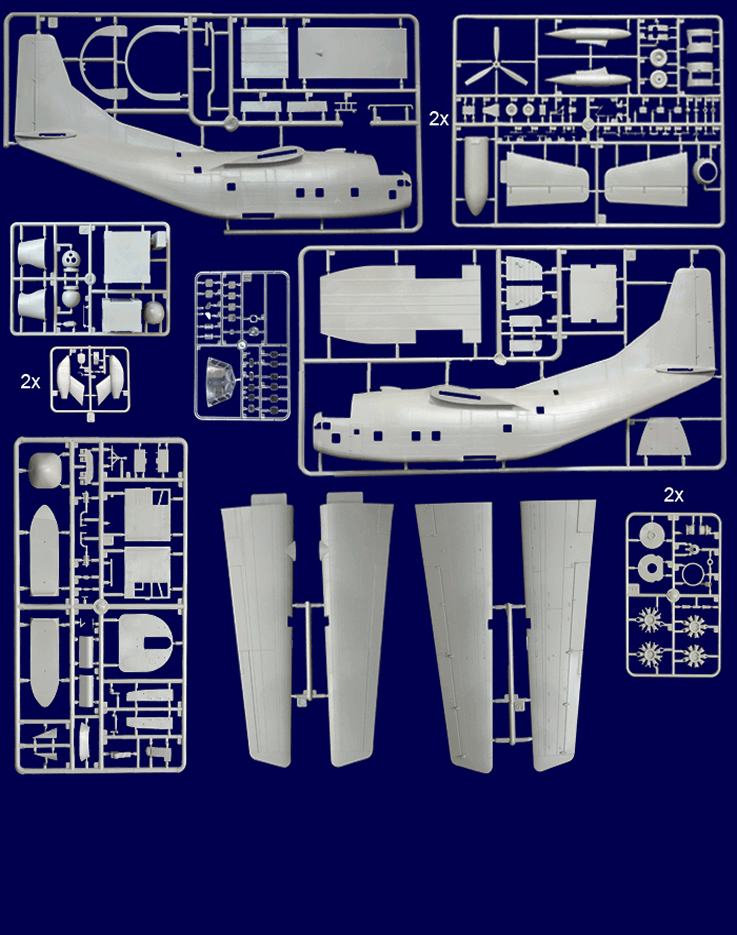
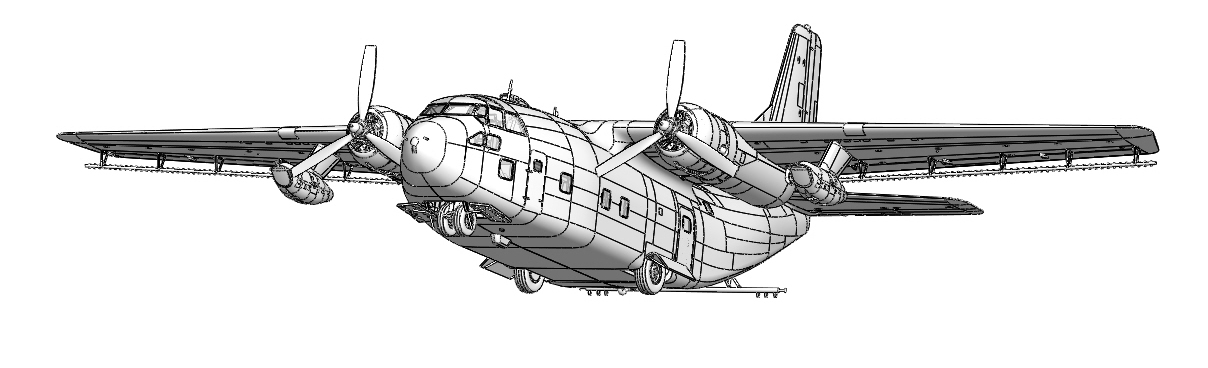
type of aircraft used throughout the conflict was the C-123 Provider
transport, developed by the Chase Stroukoff Aviation Co in 1949, which was
later swallowed up by Fairchild, another well-known corporation. This
aircraft was extensively operated in the sky of Vietnam, delivering
soldiers and equipment to the roughest areas of the East Asian country.
Unlike other aircraft of this class, it had very good takeoff and landing characteristics,
which allowed it to land and take off in quite difficult conditions.
Initially, these were C-123B machines, which were later upgraded to the
C-123K standard by installing additional jet engines under the wing, which
improved their landing capabilities even further.
In
the early 1960s, several C-123Bs were involved in an operation to remove
from the air the populations of tropical mosquitoes that carried malaria
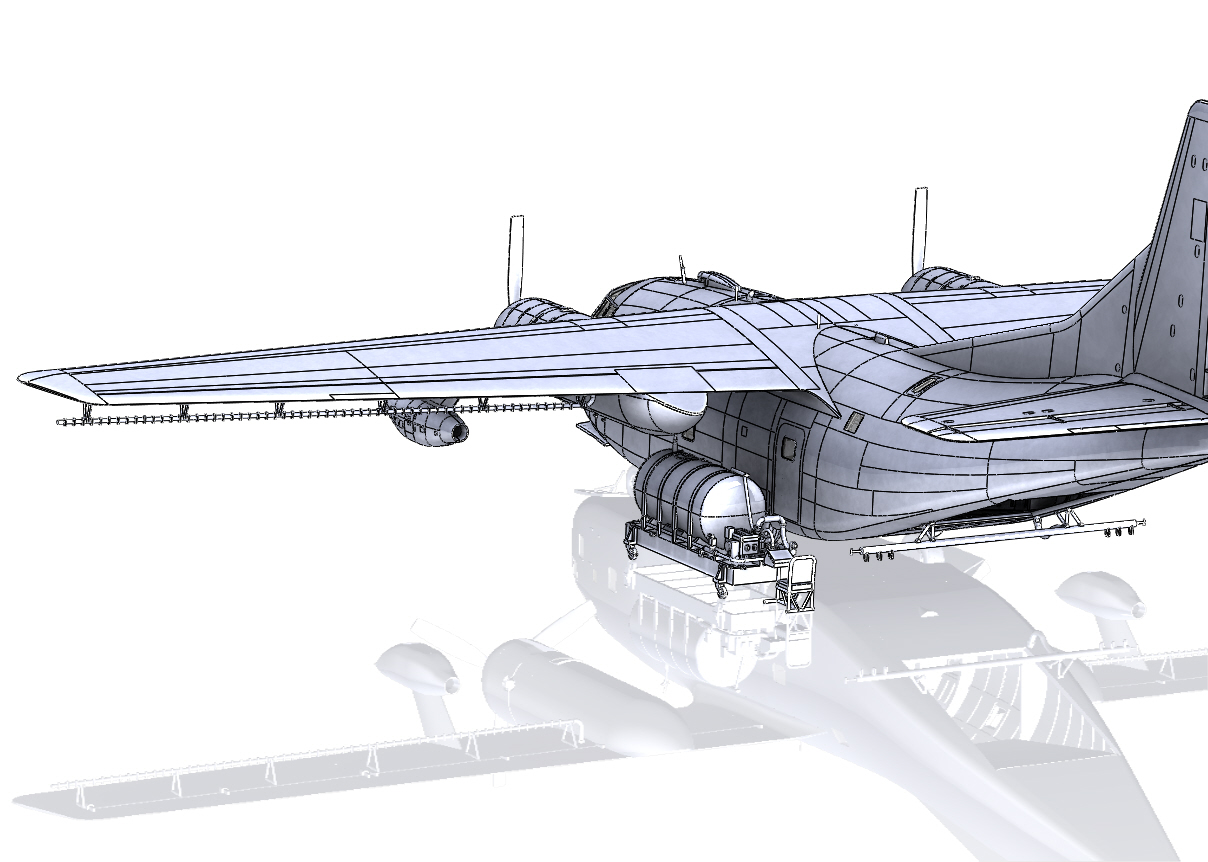
and other dangerous diseases in the region. For this purpose, special spray
tubes were installed under the wings, and the mosquito poison itself was
fed to them from the tank inside the aircraft fuselage. About 10 airframes
were converted for this task, and they proved effective for the meanwhile.
However, this was merely the harbinger of that dark page in the thousands
of books about this conflict, in which the future activities of the C-123
would soon be permanently written.
In
the early 1960s, it finally became clear that the conflict would drag on
indefinitely. Ongoing support for North Vietnam by the USSR and China, not
only in the form of 'volunteers' but also with military equipment, had left
the situation at a complete standstill. Matters were further complicated by
the inability to effectively combat the proliferation of military equipment
in the jungle, as the thick foliage impeded the effective conduct of aerial
reconnaissance and the ability to attack the guerrillas directly from the
air. Under these conditions, it was decided to apply heavy duty chemical
poison, such as herbicides, to maximize the destruction of vegetation.
Already in 1962, a special herbicide-based chemical reagent, called Agent
Orange, was tested at a testing ground in the United States. The choice of
aircraft for this mission was not difficult - the C-123 was ideally suited
to this specific task. A 1,500-gallon tub was installed in the converted
cargo compartment and other special equipment operated by an additional
crew member. The poison was fed through the piping system not only under
the wing as in the previous case, but also to the sprayer behind the
fuselage, which increased the density of the spray of the deadly substance
per unit area.
The
new variant was designated the UC-123K, and in addition to special
equipment, they also organised new procedures, since the poison spraying
had to occur from a minimum height directly above the tree tops. In these
circumstances, even shots from conventional small arms could be dangerous
to the aircraft, and so training the crew was essential. Twenty-five C-123K
aircraft were converted to a similar standard, creating a special aviation
unit. In the following years, they would conduct thousands of dangerous
missions, dropping countless tonnes of poison over the surface of Vietnam.
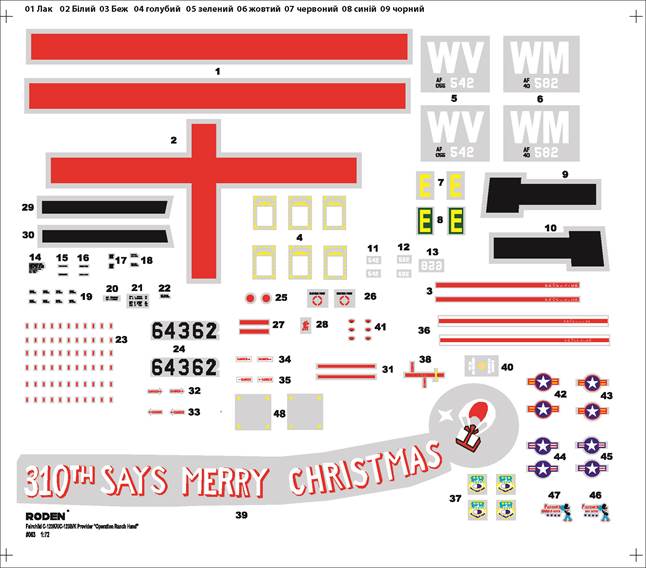
Named Operation Ranch Hand, this work was subsequently practised by the
military with increasing volume. In 1968, the success of the UC-123K's
activities was so significant that the military command even gave it
priority over other aviation activities during the conflict. In total,
about 1,250 pilots and specialists were involved in the operation, and only
5 of the 25 aircraft were lost during missions. The total hits inflicted on
the UC-123K from the ground exceeded 7,000, and one of the planes, which
had its own name, Patches, received more than 500 of them just by itself,
but survived the conflict and is currently on display at one of the US
aviation museums. At the end of the operation, about 15 aircraft, which
were considered fit for further use, were converted back to the C-123K
standard, by removing all special equipment and carrying out complete
disinfection.
Unfortunately,
the Vietnam conflict, like any other war, was not a model of humanity or
humanity. The damage from the defoliants that the C-123 sprayed over tens
of thousands of acres was very significant, not only for vegetation but
also for humans. Numerous diseases and deaths have affected not only
Vietnam residents - many members of the C-123 crew have died in the decades
since from the effects of direct contact with the toxic poison, most
notably carcinogenic diseases.
Given
the widespread propaganda campaign that the Soviet Union has waged since
the 1970s, and the argument for the use of hazardous chemical weapons in
the skies of Vietnam, the fact of the involvement of the C-123 being mainly
now mentioned as a poison sprayer in historical studies of the conflict
does not detract from the important role played by the C-123 as a whole
during this prolonged military confrontation.